

NUS

What are NUS?

Neglected and Underutilized Species (NUS) are traditional crops and plants that have high nutritional, environmental, or cultural value, yet remain marginal in modern agricultural systems. They are adapted to local conditions and can perform well under low-input and climate-challenged environments.

Why NUS Matter in NUSTALGIC.

Neglected and underutilized species (NUS), such as drought-tolerant cacti, legumes, and barley, deliver major benefits for Mediterranean agriculture:

• Require less water and fewer pesticides
• Improve soil fertility through biological nitrogen fixation
• Reduce greenhouse gas emissions
• Provide nutritious and culturally relevant food options
• Create new cash-crop opportunities for farmers

Map Overview

NUS Cultivation and Technologies Across Partner Countries

<
FIELD IMPLEMENTATION

NUS Crops in Practice Across Diverse Landscapes

Which NUS?

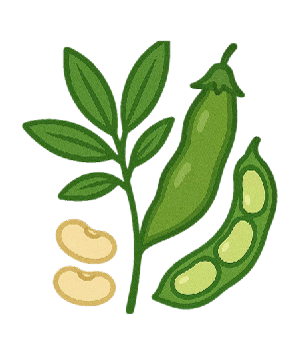
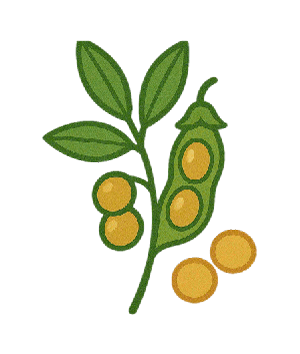
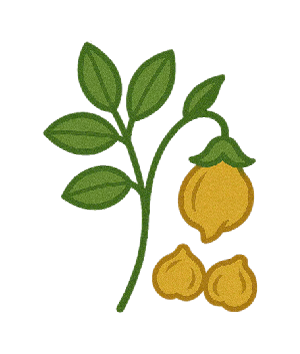
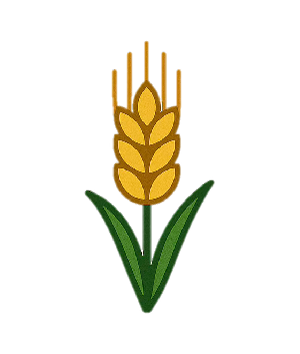
The project focuses on drought-adapted species such as:

Drought-tolerant cacti
Grass pea
Faba bean
Lentil
Chickpea
Vetches
Barley
technologies
Tech 1 – Rooftop Rainwater Harvesting
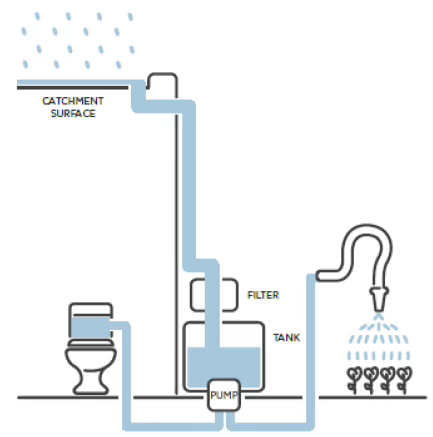

A simple, efficient system that collects and stores rainwater from rooftops using gutters, first-flush filters, and tanks connected to solar-powered pumps. The harvested water can be used for irrigation, livestock, or household needs, reducing dependency on external supplies and improving water resilience.

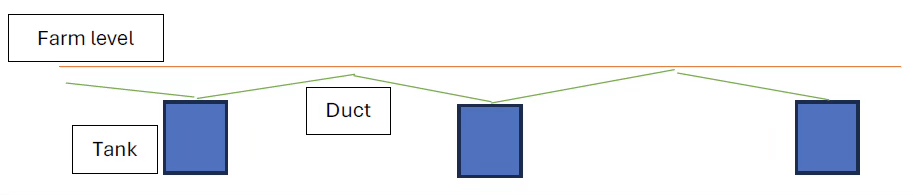
Inspired by ancient Khetara systems, this modern adaptation uses perforated underground ducts and subsurface tanks to collect runoff from farms. It increases soil moisture, supports irrigation, and can recharge groundwater, providing a sustainable solution in semi-arid regions.

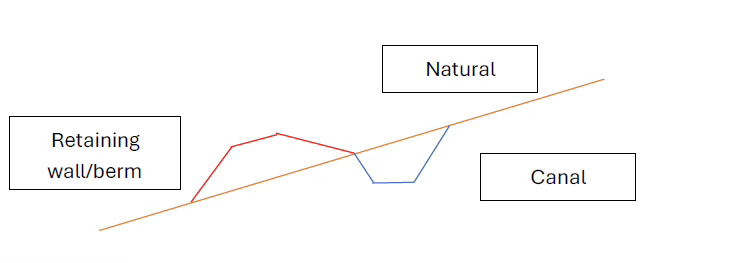
A network of shallow canals built at the base of natural slopes that directs rainfall runoff into storage tanks or ponds. Ideal for sloping terrain, this method enhances water availability for crops and livestock while reducing erosion and sediment loss.

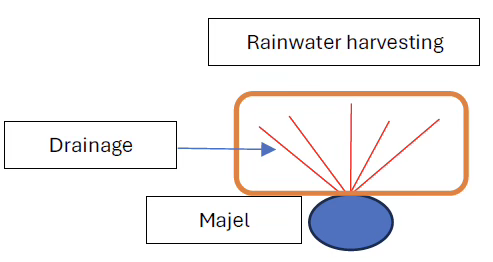
Restoration and enhancement of traditional majel cisterns found across North Africa. Rehabilitated majels, fitted with perforated ducts and canals, can store up to 500,000 liters of rainwater, serving for livestock, irrigation, or groundwater recharge, while preserving cultural heritage.

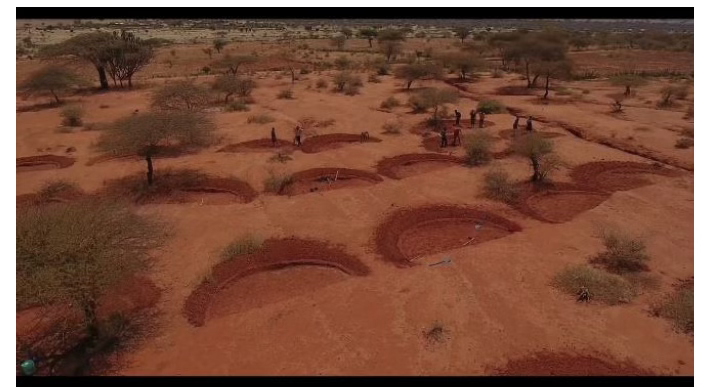
A low-cost, labor-based technique where small basins (pits) are dug near plants to capture rainwater and enhance infiltration. Pitting improves soil fertility, plant growth, and water-use efficiency, and is easily implemented by farmers using basic tools.

Reconstruction and stabilization of degraded terraces to prevent erosion and improve rainwater infiltration. Restored terraces can reduce soil loss by up to 90% and increase crop yields by 30–100%, making them key for sustainable hillside farming in Mediterranean landscapes.

Tech 7 – Machine-Harvestable Legumes

Development of legume varieties with plant architecture suited for mechanized harvesting, reducing labor demands and post-harvest losses while improving productivity for small and medium-scale farmers.

Adaptation of mechanical harvesters for smallholder lentil systems to ensure efficient and low-loss harvesting in Mediterranean drylands.

Breeding and selection of barley and legume lines that are resistant to drought and diseases, ensuring stable yields and food security under challenging climatic conditions.

Promotion of intercropping systems combining cereals and vetch to enhance forage quality, soil nitrogen fixation, and biodiversity, contributing to improved farm resilience.

Traditionally used mainly as animal feed in many Mediterranean regions, barley is being reintroduced as a nutritious food crop. This innovation focuses on developing and promoting nutrient-rich barley varieties and processing strategies that make barley suitable for human consumption, supporting healthier diets and expanding market opportunities for farmers.

A simple, manual tool that allows farmers to sow seeds directly into dry soil with minimal disturbance, ideal for small plots and resource-limited settings.

A compact mechanized seeder designed for small farms, improving sowing precision and soil health while reducing fuel use and labor time.

Portable equipment for mechanical weed control between crop rows, reducing herbicide use, conserving soil, and maintaining moisture.

Improved cactus genotypes resistant to key pests, promoting sustainable production of this drought-tolerant crop for food, feed, and ecosystem restoration.

Tech 16 – Pellet-making Machine

Technology that converts agricultural residues (like legume straw and cactus waste) into nutritious feed pellets, improving feed efficiency and circular use of resources.

Equipment for extracting high-value oil from cactus seeds and cladodes, used in food, cosmetic, and pharmaceutical applications, generating new income opportunities.

Development of innovative food products—such as flours, snacks, and baked goods—derived from legume and barley by-products, promoting nutritious, sustainable diets and waste reduction.