𝗡𝗲𝘄 𝗿𝗲𝘀𝗲𝗮𝗿𝗰𝗵 𝗮𝗹𝗲𝗿𝘁 – Gender and adoption of NUS
Why do some traditional crops survive in farming systems while others disappear? And importantly, why are farmers often neglecting climate-resilient crops today?
A recent study involving PRIMA Partnership NUSTALGIC researchers examines how gender dynamics influence the adoption of neglected and underutilized species (NUS), namely 𝗹𝗲𝗻𝘁𝗶𝗹, 𝗰𝗵𝗶𝗰𝗸𝗽𝗲𝗮 𝗮𝗻𝗱 𝗳𝗼𝗼𝗱 𝗯𝗮𝗿𝗹𝗲𝘆, 𝗶𝗻 𝗟𝗲𝗯𝗮𝗻𝗼𝗻 𝗮𝗻𝗱 𝗠𝗼𝗿𝗼𝗰𝗰𝗼. Using a 𝗳𝗲𝗺𝗶𝗻𝗶𝘀𝘁 𝗽𝗼𝗹𝗶𝘁𝗶𝗰𝗮𝗹 𝗲𝗰𝗼𝗹𝗼𝗴𝘆 𝗽𝗲𝗿𝘀𝗽𝗲𝗰𝘁𝗶𝘃𝗲, the research explores how climate pressures, market incentives, and household decision-making interact to shape farmers’ crop choices.
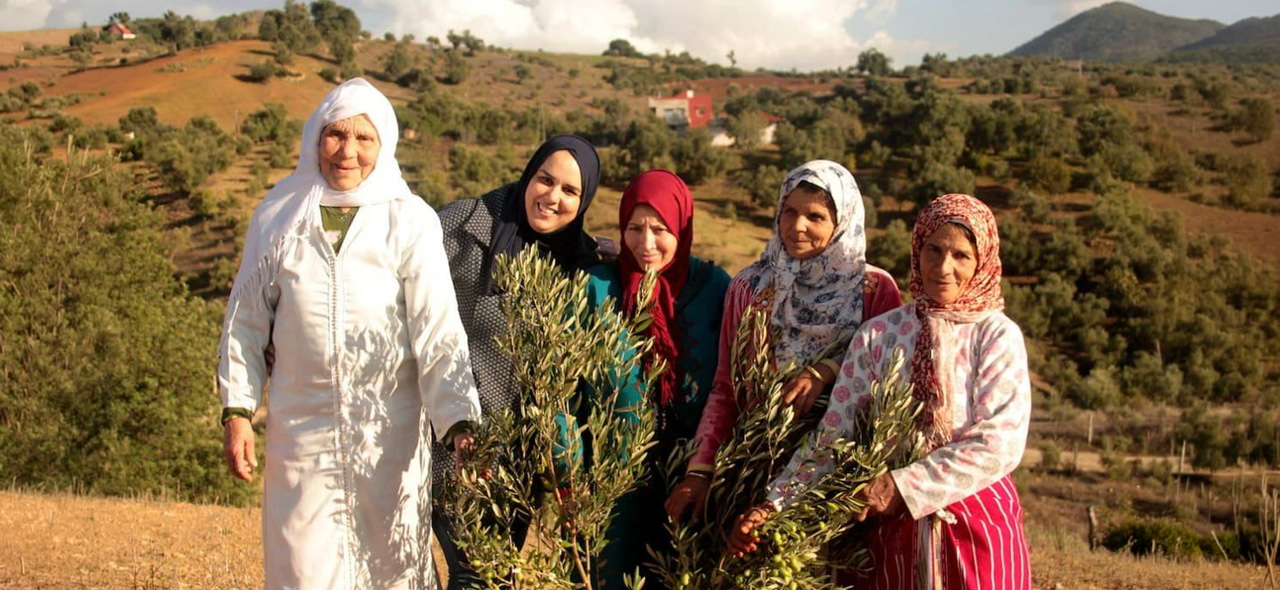
The findings show that 𝗴𝗲𝗻𝗱𝗲𝗿 𝗽𝗹𝗮𝘆𝘀 𝗮 𝘀𝗶𝗴𝗻𝗶𝗳𝗶𝗰𝗮𝗻𝘁 𝗿𝗼𝗹𝗲 𝗶𝗻 𝘁𝗵𝗲 𝗮𝗱𝗼𝗽𝘁𝗶𝗼𝗻 𝗼𝗳 𝗮𝗴𝗿𝗼𝗲𝗰𝗼𝗹𝗼𝗴𝗶𝗰𝗮𝗹 𝗽𝗿𝗮𝗰𝘁𝗶𝗰𝗲𝘀 𝗮𝗻𝗱 𝗡𝗨𝗦, with differences in motivations, crop preferences, and decision-making power between men and women farmers. In many cases, women are more likely to adopt diverse cropping practices linked to 𝗵𝗼𝘂𝘀𝗲𝗵𝗼𝗹𝗱 𝗻𝘂𝘁𝗿𝗶𝘁𝗶𝗼𝗻 𝗮𝗻𝗱 𝗳𝗼𝗼𝗱 𝘀𝗲𝗰𝘂𝗿𝗶𝘁𝘆, yet their ability to introduce or expand these crops can be constrained by limited decision-making authority, access to land, and prevailing social norms.
These insights suggest that the limited uptake of climate-resilient traditional crops is not simply a matter of agronomy or productivity. Social dynamics, gender relations, market incentives, and knowledge systems all influence which crops are grown and which disappear from farming systems.
Through the NUSTALGIC project, researchers are working with farmers, cooperatives, and extension services to promote the cultivation of climate-resilient crops such as lentil, chickpea, and food barley through participatory trials, seed dissemination, and agroecological training. The project also addresses gender-based barriers by strengthening women’s decision-making power, improving access to knowledge and resources, and supporting inclusive innovation platforms where women farmers co-design agricultural solutions. By linking research, policy dialogue, and community engagement, NUSTALGIC aims to ensure that neglected and underutilized crops become viable and widely adopted options for climate-resilient and nutritious food systems.
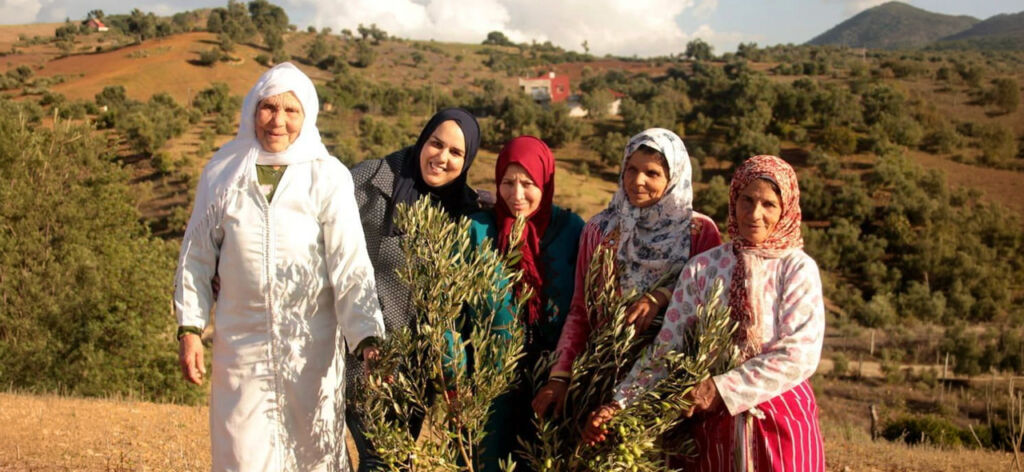
𝘗𝘩𝘰𝘵𝘰 ©𝘔𝘰𝘯𝘨𝘢𝘣𝘢𝘺
As we mark 𝗜𝗻𝘁𝗲𝗿𝗻𝗮𝘁𝗶𝗼𝗻𝗮𝗹 𝗪𝗼𝗺𝗲𝗻’𝘀 𝗗𝗮𝘆 𝟮𝟬𝟮𝟲 𝗮𝗻𝗱 𝘁𝗵𝗲 𝗜𝗻𝘁𝗲𝗿𝗻𝗮𝘁𝗶𝗼𝗻𝗮𝗹 𝗬𝗲𝗮𝗿 𝗼𝗳 𝘁𝗵𝗲 𝗪𝗼𝗺𝗮𝗻 𝗙𝗮𝗿𝗺𝗲𝗿, this research highlights the importance of recognizing women farmers as key actors in sustaining crop diversity and advancing climate-resilient food systems.