Interview: “Spanish farmers and consumers still love their legumes. The challenge is making them competitive again.”
As part of NUSTALGIC, we spoke with the CSIC team in Spain about legumes, plant breeding, and why restoring crops to farming systems requires much more than simply asking farmers to grow them again.
What are you hearing from farmers and local stakeholders?
Spanish farmers have a long tradition of cultivating the legume crops covered in NUSTALGIC. At the same time, these crops have historically been at the base of the Mediterranean diet, so Spanish consumers love their legumes and know very well how to cook them.
The challenge is that other crops gradually became more profitable for farmers, while it became cheaper to import lentils from Canada, chickpeas from Mexico, or beans from Argentina than to cultivate them locally.
In our view, this can be traced back to the neglect of investment in legume innovation since the onset of modern mechanised agriculture in the 1950s. Legumes were progressively replaced in Mediterranean crop rotations by more profitable crops. As less land was devoted to legumes, there was less investment in developing improved cultivars, crop protection solutions, harvesting technologies, and other innovations.
This created a vicious circle. The less legumes were cultivated, the less competitive they became. Reversing this trend requires long-term interventions.
What are you working on right now?
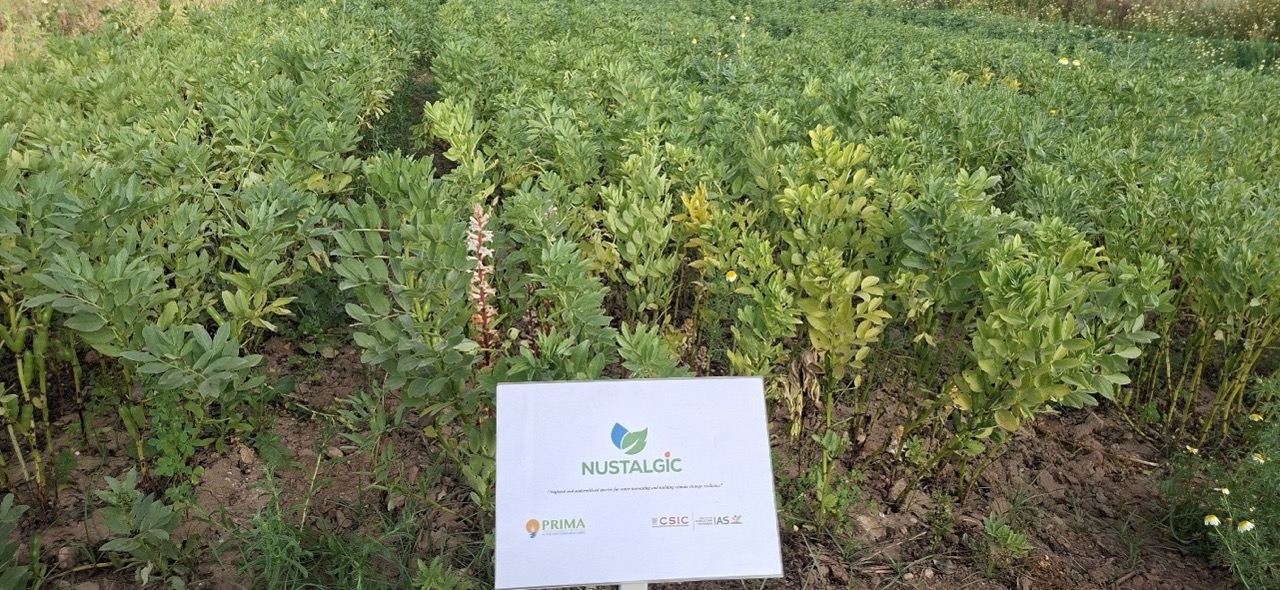
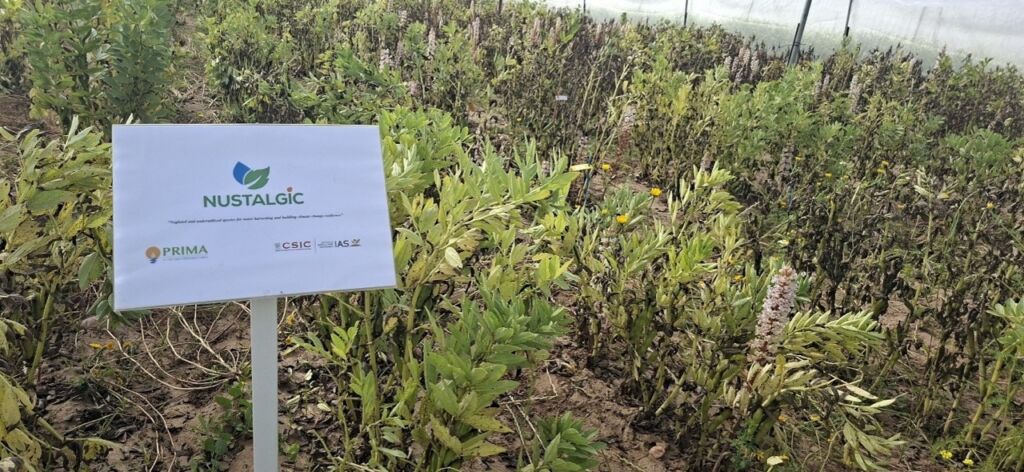
We have breeding programmes on faba bean, lentil, pea and grasspea, involving crosses, selections, field testing, and dedicated screening for pest and disease resistance under controlled conditions.
Our work on faba bean goes back many years. I coordinated the EUFABA project under the Fifth Framework Programme, which focused on breeding faba bean for sustainable agriculture. The programme later slowed somewhat in favour of peas, but was recently revived through projects such as PRIMA DiVicia, Horizon Europe BELIS, and now NUSTALGIC.
We never had a dedicated Spanish project on lentil, but we became involved through international collaborations. We first worked with the Australian Grains Research and Development Corporation (GRDC), followed by contracts with Canadian partners and FAO, focusing on field testing and disease resistance screening. This work later continued through BELIS and now NUSTALGIC.
We have also been working on grasspea for around twenty years. However, only recently have dedicated projects emerged to support this work, first through NUSTALGIC and now through a national Spanish project involving industry.
All of this has resulted not only in scientific publications, but also in cultivar registration and extensive networking. I currently coordinate the Spanish Legume Network and serve as President of the Spanish Legume Society. Previously, I served as President of both the International Legume Society and the European Legume Society.
Has anything changed your perspective so far?
Regarding neglected and underutilized crops, there has been no major change in perspective, but we continue to see growing interest in them.
Our focus is on adaptation to rainfed Mediterranean agriculture. This means developing adapted cultivars and improving cropping practices that perform well under water-limited conditions, rather than relying on irrigation.
Mechanisation also remains important. Legume crops in Spain are already harvested mechanically, but improvements in plant architecture can still make a difference. For example, taller and more upright lentil plants would improve harvesting efficiency.
We are less directly involved in the cactus component of NUSTALGIC, although a pest-resistant cactus cultivar would certainly be of great interest.
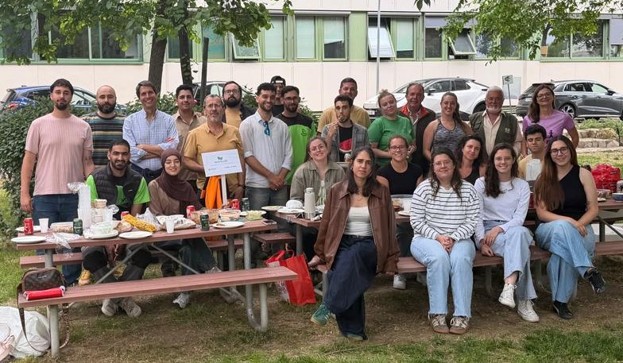
About the team
The CSIC team brings decades of experience in legume breeding, disease resistance, crop adaptation, and Mediterranean rainfed agriculture. Their work combines long-term breeding programmes, international collaboration, and practical innovation aimed at restoring the competitiveness of legumes in modern farming systems.